

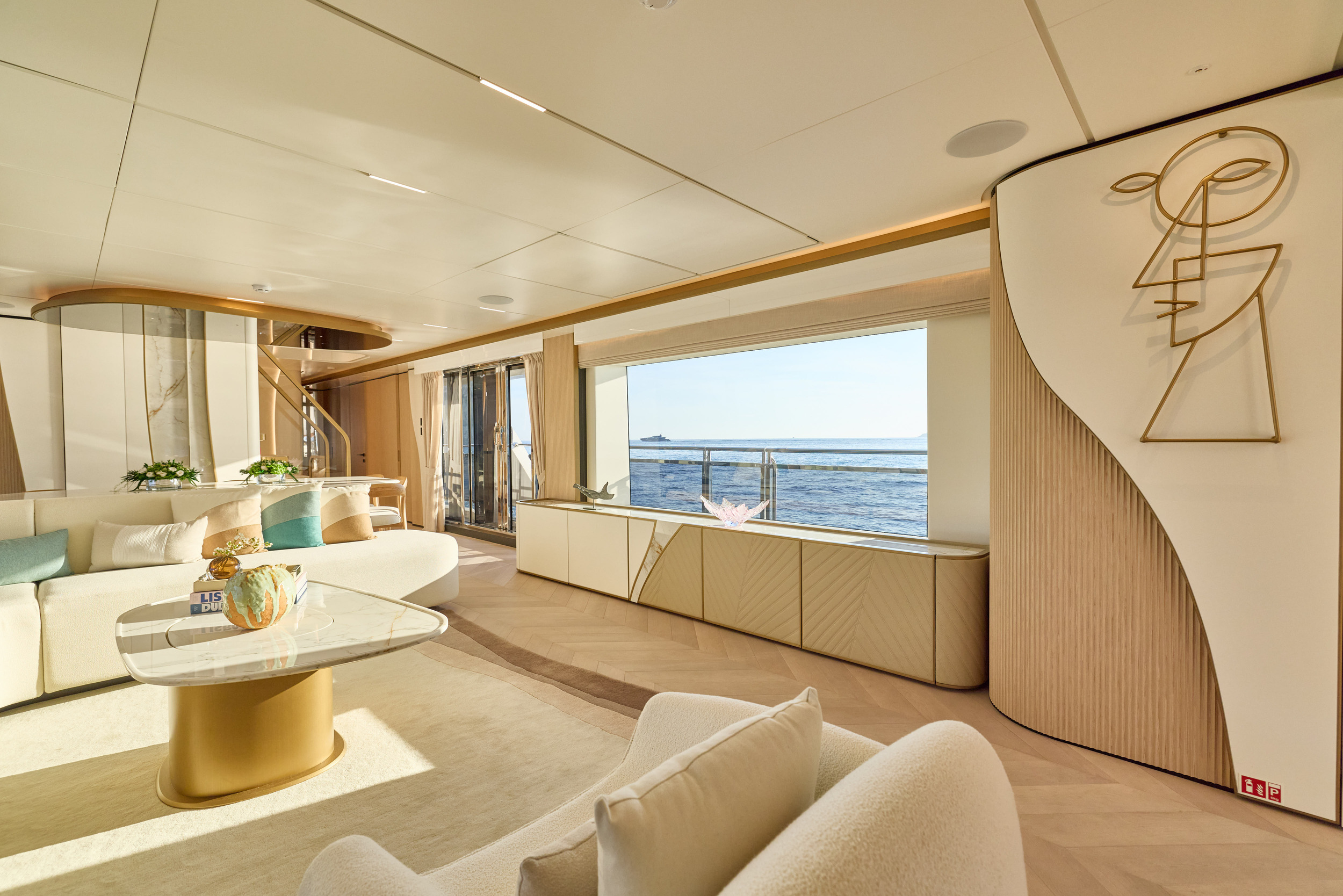
Choosing a yacht stylist in Monaco is about far more than aesthetics. Salt air, technical constraints, clients who own boats worth tens of millions — here's what to look for, and what most people overlook.
The Monaco Yacht Show is not the place to start
Every September, Port Hercule welcomes over 120 superyachts for the Monaco Yacht Show — boats from 30 to 90 metres, each representing a vision of life onboard. What most visitors don't see: the work done six to twelve months before. Interior refreshes, new crew uniforms, bespoke furniture delivered from workshops in Italy and the UK. The best yacht stylists are booked long before the season begins.
As a critical benchmark, the Yacht Show remains useful: walk the decks with an analytical eye. What you're assessing is coherence. Does the interior feel like a considered whole, or a collection of expensive objects that don't speak to each other?
Material knowledge is non-negotiable
A stylist who works primarily in residential interiors will not automatically translate well to a marine environment. Salt air accelerates corrosion on metals, even marine-grade stainless steel — specific finishes are required. UV exposure in the Mediterranean degrades textiles in a single season if they're not rated for exterior use. Vibration and movement at sea turn fragile objects into projectiles.
Ask any candidate about their material selection for exterior deck areas. The answer must reference specific names: Sunbrella remains the industry standard for UV and moisture resistance. Boxmark, an Austrian manufacturer, produces the reference marine leather — engineered to resist salt and UV while maintaining the hand of premium upholstery. A generic answer is a red flag.
The Feadship problem — and why it matters
Each shipyard has its own aesthetic DNA. A Feadship — built in the Netherlands to some of the highest engineering standards in the industry — has a different interior logic from a Benetti from Livorno or a Lürssen from Bremen. A yacht stylist who understands this will not apply the same template to every vessel. Ask directly: how does your approach vary depending on the builder? A generic answer is disqualifying. A good one will reference specific yard characteristics — the warmth typical of Benetti, the precision a Feadship demands, the scale a Lürssen allows.
Seasonal refreshes: the underrated service
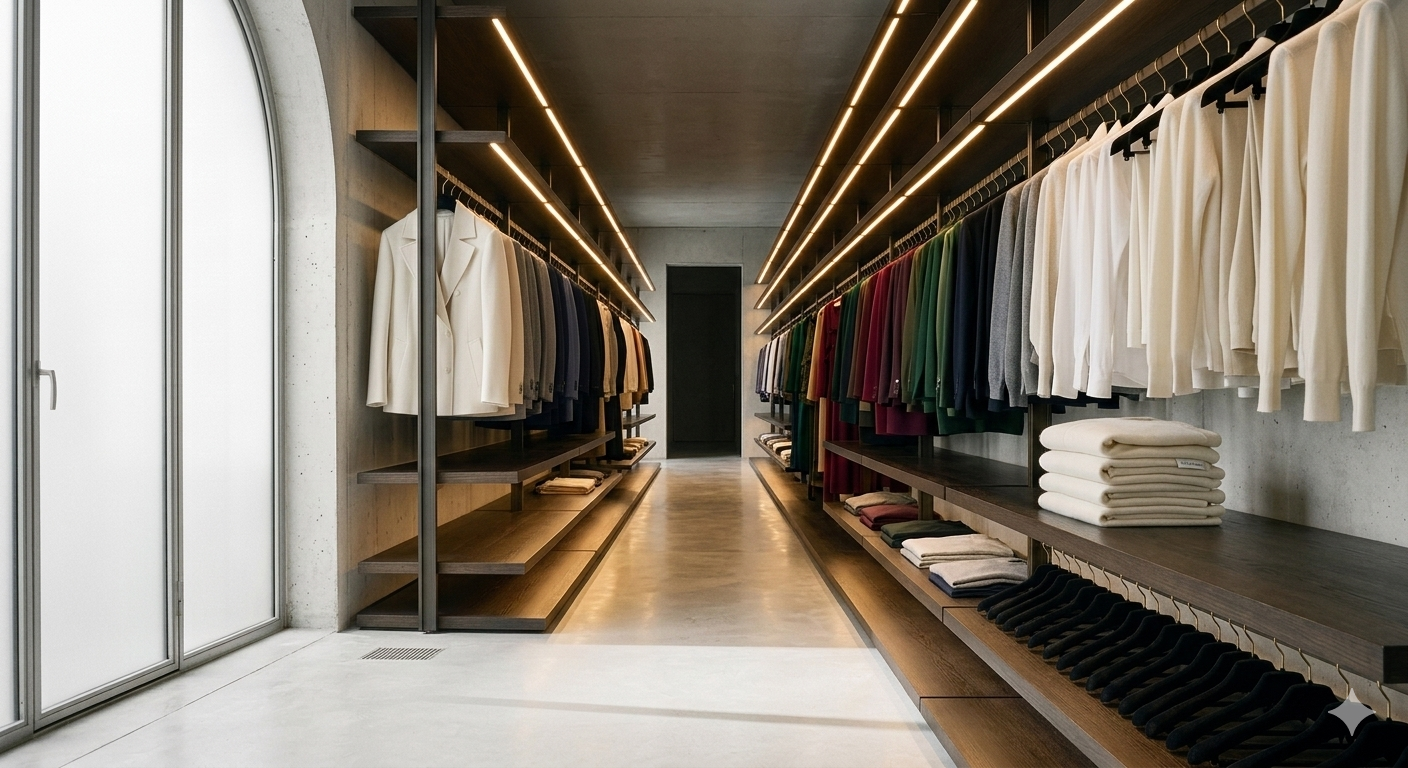
Monaco's yachting season peaks from May to September, but discerning owners use their vessels year-round. A good stylist plans two to three seasonal refreshes: lighter linens and open palettes for Mediterranean summer, warmer materials for winter cruising in the Caribbean or the Maldives. The most coherent onboard experiences are those where the vessel's interior and the owner's wardrobe share a visual language — a level of integration that requires a stylist who works across both disciplines.
"A yacht should feel like the most refined version of yourself — effortless, curated, and unmistakably personal."
Discover my Tailored Yacht Styling service — a bespoke approach for clients who accept nothing less than exceptional.



%20(1).webp)